
The Ultimate Guide to Bwindi Impenetrable National Park Reviews: Is It Worth the Trek?
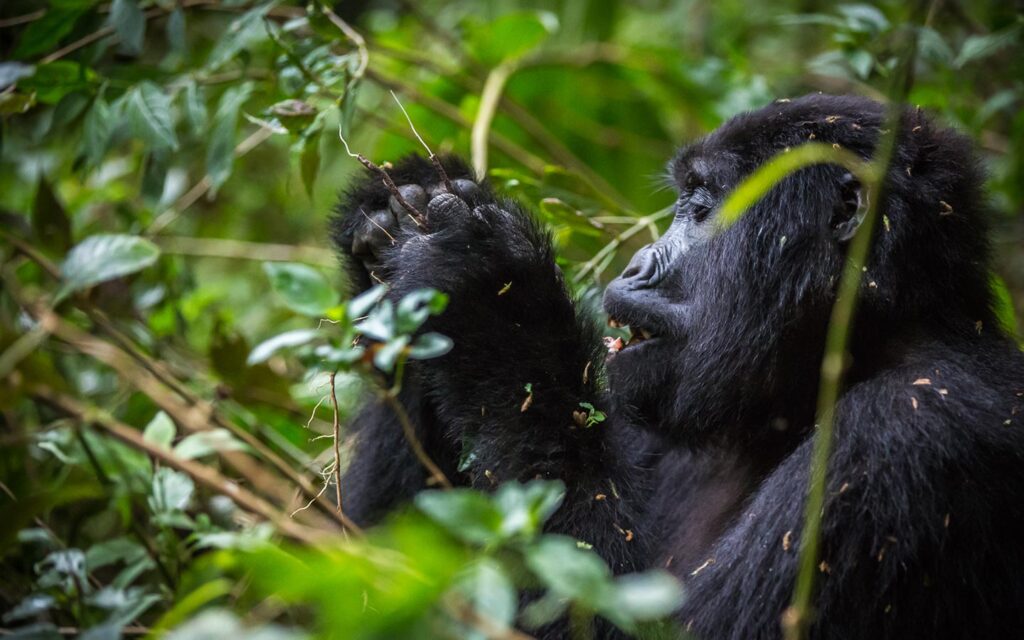
Imagine locking eyes with a massive silverback gorilla just feet away in a misty forest. That’s the magic of Bwindi Impenetrable National Park, a UNESCO World Heritage site in Uganda’s Virunga Highlands. Home to nearly half the world’s mountain gorillas, it stands as a key spot for conservation efforts that protect these gentle giants from extinction.
The park’s name hints at thick, tangled jungle that’s tough to push through. But don’t let that scare you off. This guide pulls together real traveler reviews to give you a fair look at gorilla trekking, wildlife spots, travel hassles, and if the whole trip pays off. You’ll get honest takes on what makes Bwindi shine and where it stumbles.
The Gorilla Trekking Experience: Reviews of the Main Attraction
Gorilla trekking draws folks from all over to Bwindi. Reviews rave about the thrill of finding these rare animals in their home. Yet, not every hike ends the same way.
Assessing Gorilla Habituation and Encounter Quality
Travelers often share how close they got to the gorillas. Many say encounters last an hour, packed with action like seeing babies play or adults munch leaves. In habituated groups, guides keep things safe, but some reviews note shorter views if the family moves fast.
Feedback varies by group. One hiker called a close-up stare “life-changing,” while another felt rushed due to group size. To pick wisely, match your fitness to the trek—easier paths suit beginners, while steeper ones amp up the rush for pros.
Choose families in flatter areas if you’re new to hiking.
Opt for active groups if you want dynamic photos.
Book early; spots fill quick.
Sector Showdowns: Buhoma vs. Rushaga vs. Nkuringo Experiences
Each sector in Bwindi offers a unique vibe based on visitor stories. Buhoma, near the north entrance, gets praise for milder slopes and quicker access to gorillas. Reviews mention lush views and less mud, making it ideal for families.
Rushaga in the south packs more steep climbs but rewards with bigger groups and extra wildlife peeks. Hikers there report tougher treks, sometimes four hours up, but stunning scenery. Nkuringo, on the southern edge, shines for dramatic hills and fewer crowds—perfect if you crave quiet.
Common tales highlight Buhoma for easy snaps of gorillas in open spots. Rushaga suits adventure seekers with its wild feel. Nkuringo wins for those who love panoramic shots from high trails.
The Role of the Uganda Wildlife Authority (UWA) and Guides
UWA staff earn high marks in reviews for their skill and care. Guides track gorillas with sharp eyes, sharing facts on behavior and habitat. Porters carry gear and help on slippery paths, often turning into trip highlights.
Most folks say guides enforce rules well, like no flash photos, to avoid stress on animals. A few complaints pop up about large groups diluting the magic. Still, success rates hover near 100%, per recent feedback.
Trust the team’s knowledge—it keeps treks smooth and safe.
Beyond the Gorillas: Biodiversity and Secondary Activities Reviews
Bwindi packs more than just gorillas. Reviews spotlight other critters and fun side trips that round out your stay. These extras often surprise visitors who focus only on the big apes.
Birding and Primate Sightings: Reviews Beyond the Silverback
Bird lovers geek out over Bwindi’s 350-plus species, including the rare African Green Broadbill. Travelers describe spotting colorful feathers amid the vines as a bonus thrill. Chimp calls and monkey troops add to the chorus, with many saying these sights make the park feel alive.
Not all get lucky, though. Rain can hide birds, per some accounts. But clear days yield gems like the Albertine Rift endemics that draw experts.
Pack binoculars for easy spotting.
Join guided bird walks early morning.
Watch for colobus monkeys swinging nearby.
Batwa Cultural Encounters: Authenticity vs. Commercialization Debate
The Batwa, original forest dwellers, share stories through guided village visits. Reviews praise the dances and tales as eye-openers into their lost way of life. Many feel it adds heart to the trip, showing how parks affect locals.
Some question if it’s too staged, like a show for tourists. Ethical concerns arise, but conservation groups stress that revenue helps Batwa families. Balance comes from picking tours that support real community projects.
Experts push for visits that respect traditions without turning them into props. This keeps the experience genuine.
Forest Walks and Nature Trails: Accessibility and Scenery
Shorter trails let you soak in the jungle without a full gorilla permit. Feedback highlights well-kept paths like the Buhoma Nature Walk, buzzing with butterflies and streams. Non-trekkers love the calm pace and flower bursts.
Trails vary in length, from easy hour loops to longer rambles. Scenery pays off with fern-covered cliffs and river views. Maintenance gets solid nods, though roots trip the unwary.
These walks suit everyone, proving Bwindi’s charm goes deep.
Logistics and Accessibility: Reviews on Travel Planning
Getting to Bwindi tests your patience, but reviews agree it’s doable with prep. From stays to roads, planning shapes your adventure. Smart choices cut the stress.
Accommodation Tiers: Luxury Lodges vs. Mid-Range and Budget Camping
Options range wide, fitting every wallet. Luxury spots like Sanctuary Gorilla Forest Camp wow with plush tents and gorilla views right from camp. Reviews call them worth the splurge for comfort after tough days.
Mid-range lodges offer clean rooms and meals at half the price, close to trails. Budget campers share tales of starry nights but note basic facilities. Proximity matters—pick near your sector to save time.
Value shines across tiers if you match to your style.
Navigating the Terrain: Road Conditions and Transfers
Roads to Bwindi twist through hills and turn muddy in rains. Travelers warn of bumpy rides from Kampala, often needing 4x4s. Guided transfers ease the pain, with drivers who know shortcuts.
Dry seasons from June to September draw praise for smoother paths. Wet months bring slips, but fewer bugs. Recent reviews push for insured vehicles to handle ruts.
Rent a sturdy 4×4 for freedom.
Book transfers through lodges for safety.
Visit in dry spells for less hassle.
Permits, Costs, and Overall Value Perception
Permits cost $800 USD now, up from before, covering one trek. Booking via UWA sites or agents avoids scams, though slots book months out. Reviews question the price but most say the gorilla moment justifies it.
Add-ons like stays and meals push totals to $2,000 per person. Satisfaction runs high if you plan right. Value ties to that once-in-a-lifetime feel.
Operational Excellence: Service, Safety, and Sustainability
Bwindi runs tight, with reviews noting strong support. Safety and green practices build trust. Let’s break it down.
Health and Safety Protocols Review (Post-Pandemic Considerations)
Post-COVID, checks like temperature scans and masks keep things safe. Visitors feel secure with rangers patrolling trails. Wildlife rules prevent close calls, and no major incidents mark recent feedback.
Health briefings cover bugs and altitude. Some note extra fees for porters aid weaker hikers. Overall, the setup reassures families.
Sustainability and Community Impact Feedback
The park shines in eco efforts, with reviews spotting clean trails and solar power in camps. Tourism funds gorilla protection and local schools. Travelers see revenue flow to nearby villages through jobs.
Waste rules like no plastics help. A few gripe about litter spots, but most applaud the green push. It shows Bwindi cares for its future.
The “Impenetrable” Reality: Physical Fitness Expectations
Treks demand stamina, often 2 to 7 hours round trip. Reviews stress prep with cardio and strong boots. Steep, slippery ground tires even fit folks.
Expect mud and vines that slow you. Groups cap at 8, so pace matches the slowest. Build endurance to enjoy, not just survive.
Conclusion: Final Verdict on Bwindi Impenetrable National Park
Bwindi Impenetrable National Park reviews paint a picture of raw wonder mixed with real challenges. Travelers overwhelmingly call it a top wildlife gem, thanks to gorilla encounters and rich forests. Despite costs and rough roads, the magic wins out for most.
Key takeaways from the buzz:
Pros: Dense gorilla populations, thriving conservation, diverse birds and trails.
Cons: Steep fees, tough access, physical strain on hikes.
Book responsibly—support ethical tours and pack out your trash. Your trek could help save these forests for good. Ready to go? Uganda awaits.