
Hiking Mount Bisoke in Rwanda
November 12, 2024Chimpanzee Trekking and Habituation Experience in Budongo Central Forest
November 12, 2024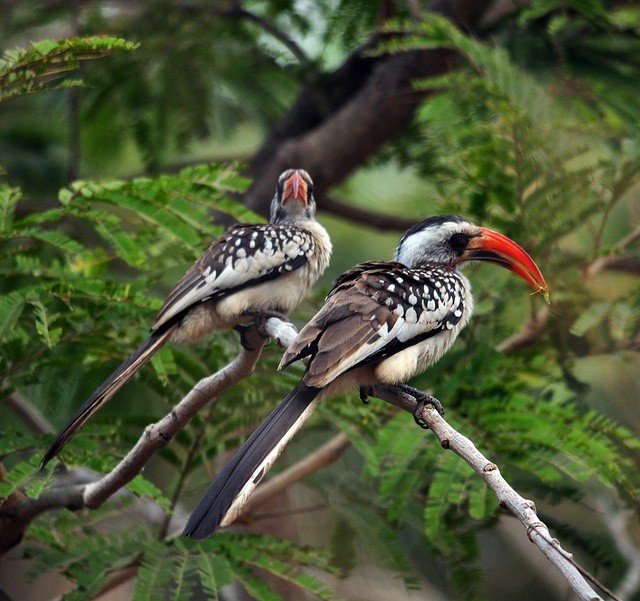
The northeastern region of Uganda is
home to the Bokora Wildlife Reserve. Covering 794 square miles, the reserve was
designated as a wildlife reserve in 1964. The second-largest game reserve in Uganda
is Bokora Corridor, which is a part of the larger semi-arid Karamoja wildlife
conservation area, which also includes Matheniko and Pian Upe game reserves.
The four ethnic groups of the
Karamojong tribe—the Upe, Pian, Matheniko, and Bokora—are represented by the
names of the three game reserves. Every ethnic group resides near the nature
reserve that bears their name.
The Matheniko occupy lands close to
Matheniko Wildlife Reserve, the Upe and Pian are near Pian Upe Wildlife
Reserve, and the Bokora are discovered to be residing near the Bokora Corridor
Wildlife Reserve. Mount Kadam and Mount Napaka are the most notable features of
the primarily arid plains that make up Bokora Wildlife Reserve. Savanna
grasses, shrubs, small trees, and bush make up the majority of the plains.
Although Bokora Wildlife Reserve
boasts amazing landscape and wildlife, accessing the reserve during the rainy
season is challenging due to its poor road conditions. Uganda might have a
national park that is on par with the greatest in Kenya and Tanzania if the
road problem is resolved, hotels are constructed, and the government decides to
combine three reserves in Karamoja with Kidepo Valley National Park.
Bokora
Corridor Wildlife Reserve management challenges
The Uganda animals Authority faces a
number of difficulties in controlling animals. Ugandan reserves are being
encroached upon and completely occupied by nearby settlements. This issue is
present in Bokora Game Reserve as well. Communities near the reserve claim that
buffaloes and other animals damage or eat their crops as they move across the
reserve.
Additionally, they lament that the
government hardly ever pays them for this. Tribal conflicts and cattle rustling
had long caused instability in the Karamoja region. Many had to turn to
alternative ways of life after losing their animals. Even though the majority
of the Karamojong warriors have been disarmed and peace has restored, many
families still live in extreme poverty.
The communities discovered the
resources because they had few alternatives for surviving extremely appealing
within the reserve. During periods of severe drought, some have been tempted to
grow crops or graze on the reserve. Even though the Uganda Wildlife Authority
occasionally expels them, encroachment is still an issue. It appears that local
officials, who frequently support the community out of self-interest, have made
matters worse. By building water holes, the government and other humanitarian
organizations have devised ways to combat drought and hunger during the dry
season, which drives many pastoralists from their homes.
The Karamoja region is home to the
United Nations World Food Programme, which assists in enhancing the diets of
starving communities. Amidst all of the aforementioned difficulties, the Uganda
Wildlife Authority has started a number of community awareness campaigns to
inform the locals about the importance of protecting wildlife and how they,
like their Kenyan pastoralist counterparts, may profit from the expanding
tourism sector. For people looking for lodging while visiting the park, several
Karamojong have gone ahead and established tiny hotel facilities.
Bokora
Wildlife Reserve’s fauna
The semi-arid environment of Bokora
Corridor Wildlife Reserve has toughened the creatures and flora that live
there. Wildlife in this region of Uganda needs to be able to withstand
protracted dry spells in order to survive. Cheetahs, Bright’s gazelles,
buffaloes, elands, hartebeests, leopards, lesser kudu, lions, oribis, oryx,
reedbucks, Roan antelopes, Rothschild’s giraffes, and more are all likely to be
spotted while on the reserve. Zebras, Topis, Uganda Kobs, striped hyenas, and
hyenas. Elephants and buffaloes traveling from Sudan to Kidepo and other
surrounding wildlife areas have been using the Bokora Corridor game reserve for
thousands of years.
The Black-throated Wattle-eye, Dusky
Turtle Doves, Eastern Bronze-napped Pigeons, Grey Cuckoo-Shrike, Hartlaub’s
Turaco, Jackson’s Hornbills, the Lemon Dove, the Thick-billed Honey guide, the
Alpine Chat, the African Hill Babbler, the Ostriches, and the White-headed
Buffalo-weaver are among the birds that birdwatchers should encounter. The
majority of these species are hard to find in other parts of Uganda and only
inhabit semi-arid regions. The Loporokocho marsh is the ideal location for bird
watching.
Bokora
Game Reserve lodging options include hotels and lodges.
As previously mentioned, the road
there are no conventional lodging options in the Bokora Game Reserve, and the
network there is inadequate. For those who enjoy adventure and living in the
wild, camping is the greatest alternative in the reserve and offers great
rewards. With a breathtaking Milky Way and a gorgeous night sky, you get to
spend time in a real African wilderness.
Additionally, you get the impression that you
are among the animal herds because the tents are positioned so close to the
wildlife. The Uganda Wildlife Authority intends to construct some lodges within
the reserve shortly, so those who need greater comfort need not worry. As an
alternative, one can stay overnight at a hotel in Kotido or Moroto and then
travel to for early-morning activities in the reserve.
When
would be a good time to come?
Although the reserve welcomes visitors
all year round, the dry season is the best time to go. June through September
and December through February are the dry season months. Even the toughest
four-wheel drive vehicles find some parts of the roads nearly impassable during
the wet months of November, May, and April. The wet (rainy) season is the best
time to visit the reserve if you want to take advantage of all it has to offer
without having to deal with people. After the rains, the Bokora Corridor
Wildlife Reserve comes to life with lush flora and breathtaking views. Dust is
removed, and temperatures are not extremely high. It can be challenging to deal
with the heat during the driest season.
Principal
Pursuits in the Bokora Game Reserve
Bokora
Game Reserve’s Corridor Getting to know the Karamojong:
The Karamojong people live in Bokora Wildlife
Reserve. The majority of the subgroup residing around the reserve is the
Bokora. Discover authentic African indigenous by taking a cultural tour of this
distinctive tribe while on a reserve trip. As pastoralists who live on the
move, the Karamojong depend on their livestock for nearly everything.
The animals produce milk, hides, meat,
and dung. The warmest months of the year are when the Karamojong drink cow
blood. They are among the greatest tribes to visit if one wants to see a truly
indigenous African tribe because they still refuse to change to contemporary
ways of life. During the Karamojong, guests can join them to pasture cattle,
learn how to manually milk cows, or participate in traditional dances in the
evening.
Drives
for games:
Despite its semi-arid location, Bokoro
Game Reserve is home to amazing species. Many antelopes, lions, buffaloes,
giraffes, hyenas, cheetahs, and even elephants can be seen during particular
times if you spend at least three days in the reserve.
Observing
birds:
Despite prolonged drought seasons, the Bokora
Corridor game reserve boasts an impressive array of birds. It is one among
Uganda’s birdwatching destinations. The ostrich, the largest bird in the world,
lives on the arid plains. Because they can detect impending predators or
smaller animals that may be of interest, wild ostriches flourish in arid
environments and on plains. Within their eggs. If necessary, they can operate
thanks to the extensive plans.
Note:
A trip to Bokora Game Reserve can be
combined with a safari in Matheniko Game Reserve, Pian Upe Wildlife Reserve,
and the magnificent Kidepo Valley National Park for an even more comprehensive
and unforgettable safari experience.
